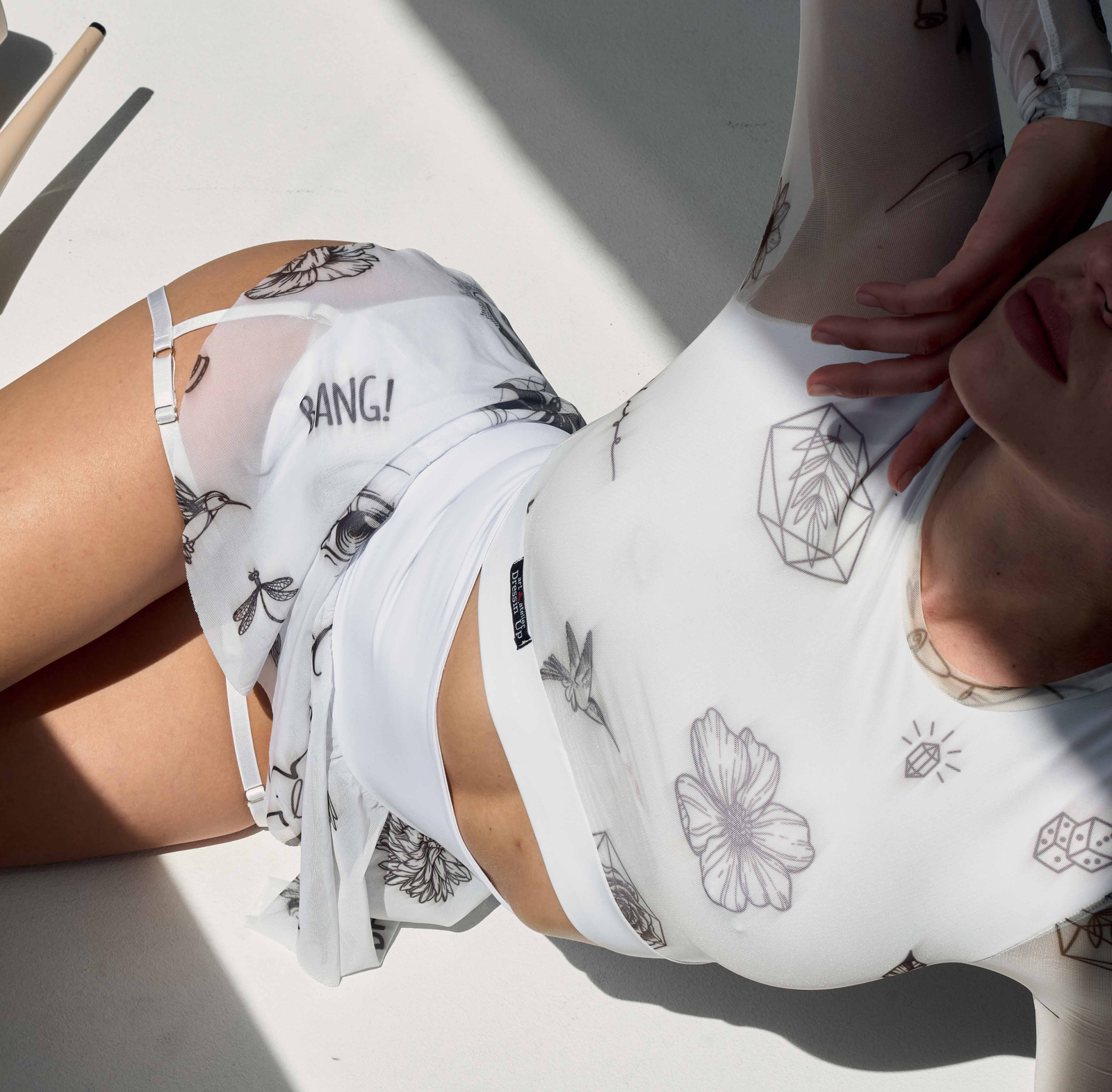
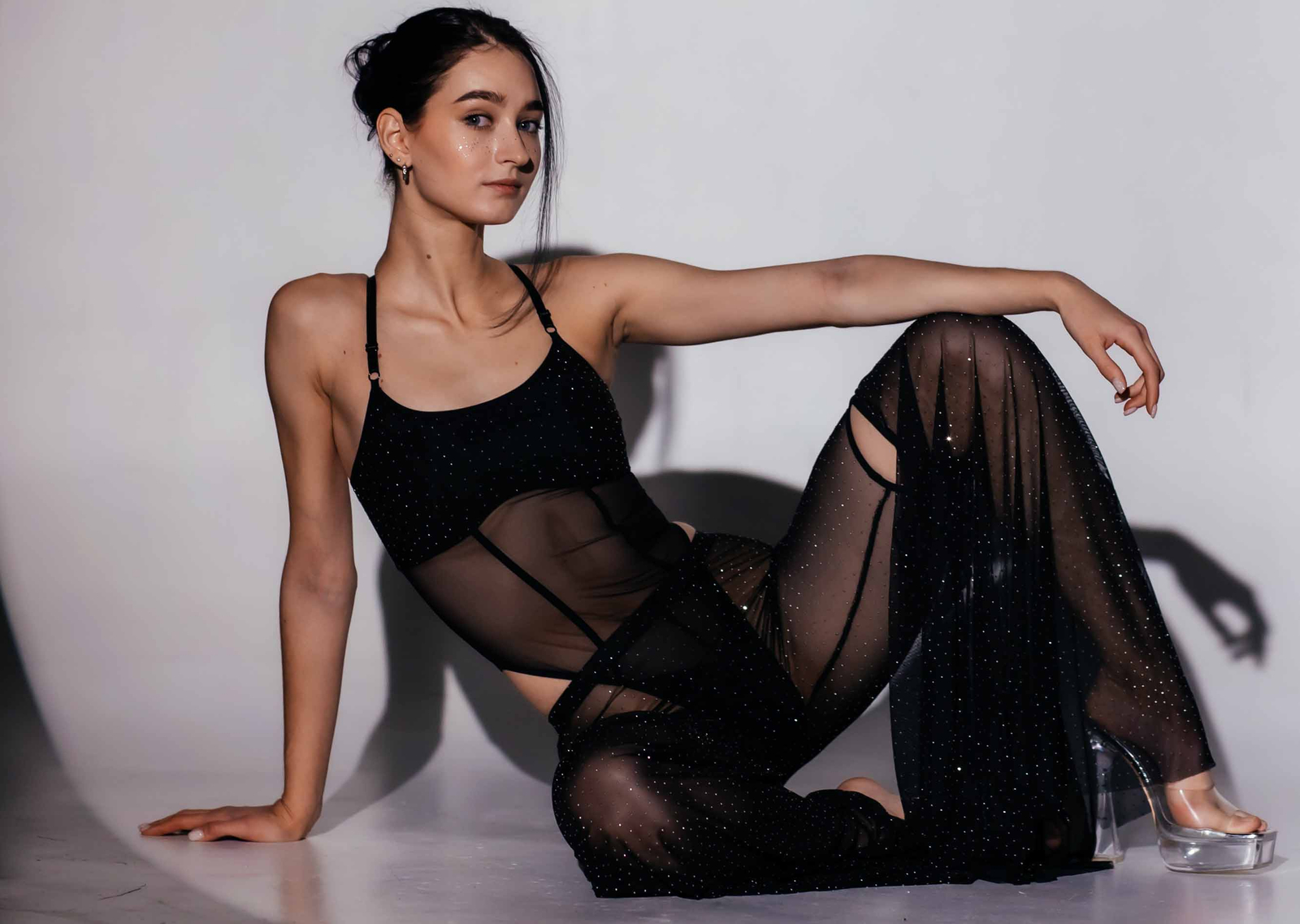
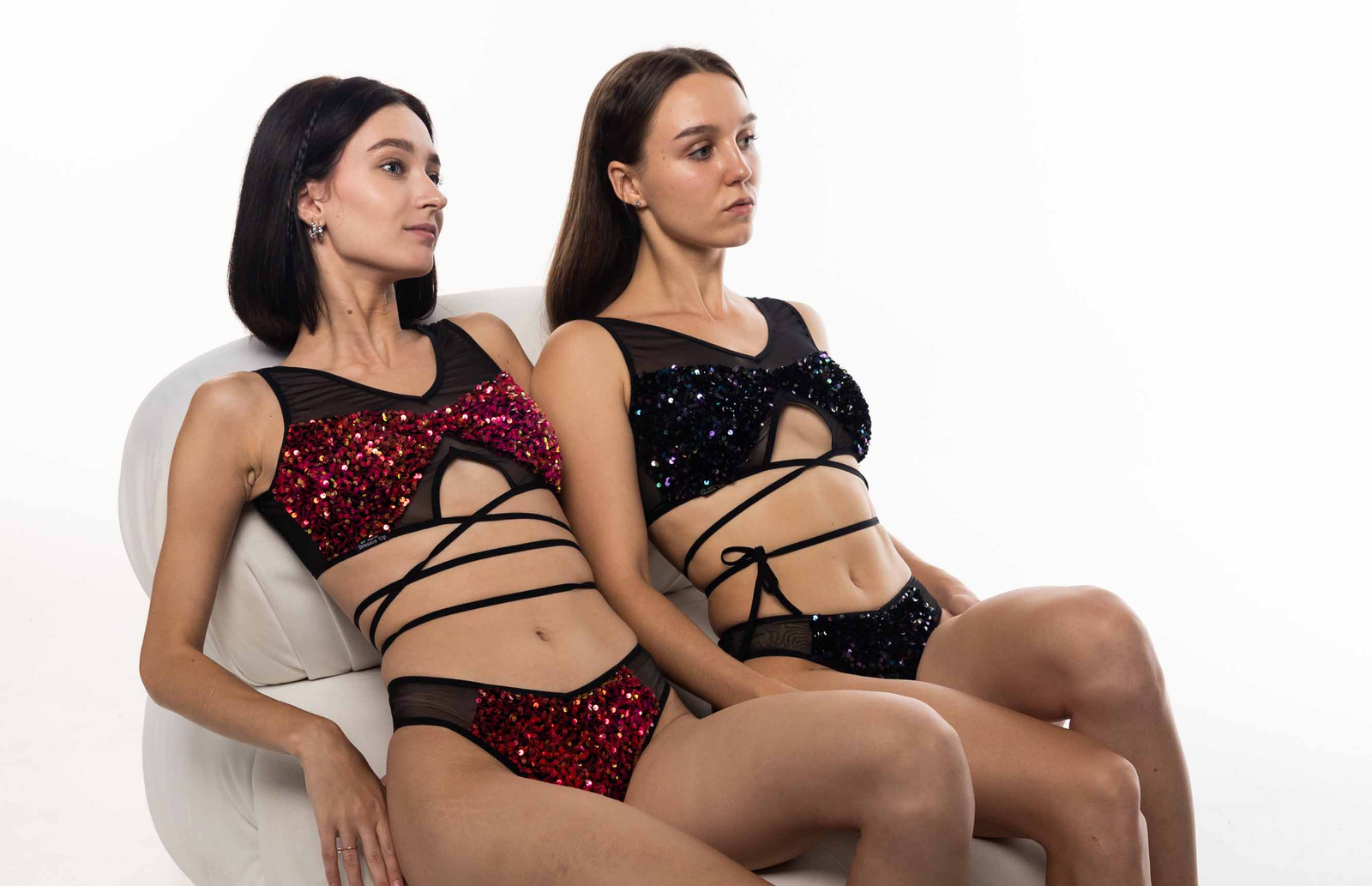
If you’re just starting pole dance, one of the first questions you’ll have is what to wear. And it matters more than you might think.
Pole dance is not like a regular gym workout. Your outfit affects how you move, how confident you feel, and how easily you can hold positions on the pole.
The right clothing helps your body work with the pole, not against it.
In pole dance, your body creates grip against the pole.
Leggings or loose t-shirts might feel comfortable, but they make it harder to hold positions and learn basic moves. Skin contact helps you stay secure, especially when climbing or holding spins.
At the same time, your outfit should feel stable and supportive.
You only need a few basics to start.
A fitted top that stays in place and a pair of shorts that allow skin contact are enough for your first classes.
As you continue, you’ll naturally want to explore different styles.
As you explore more, you’ll notice that pole dance wear comes in many different styles, and each one feels different on the body.
If you browse collections like
https://dressinupartatelier.com/shop/tops/
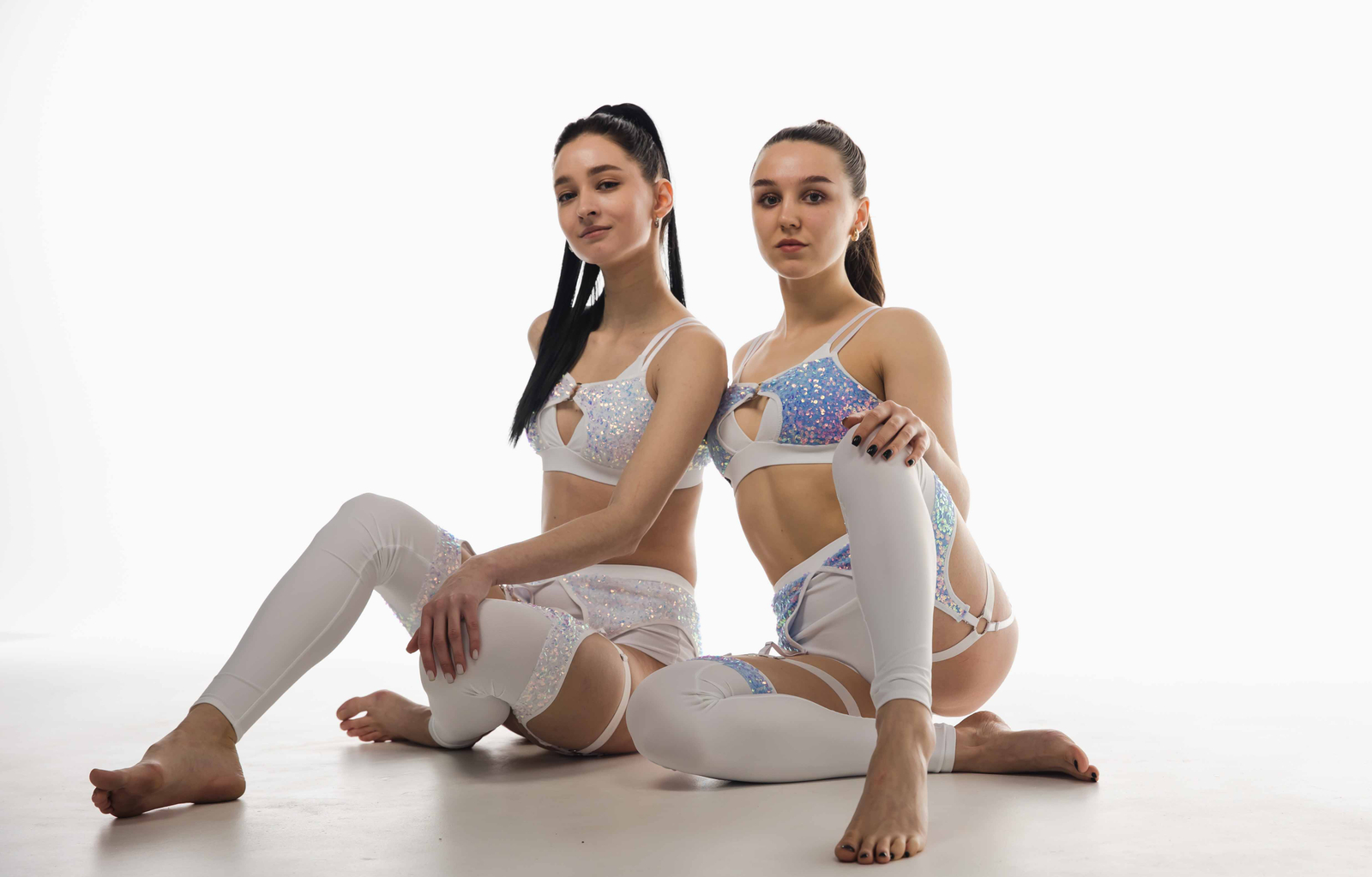
you’ll see that tops range from simple bra-style designs to more structured pieces with cut-outs, straps, or long sleeves. Minimal styles are great for training, while more detailed designs are often used for choreography or styled routines.
Bottoms also vary a lot
https://dressinupartatelier.com/shop/bottoms/
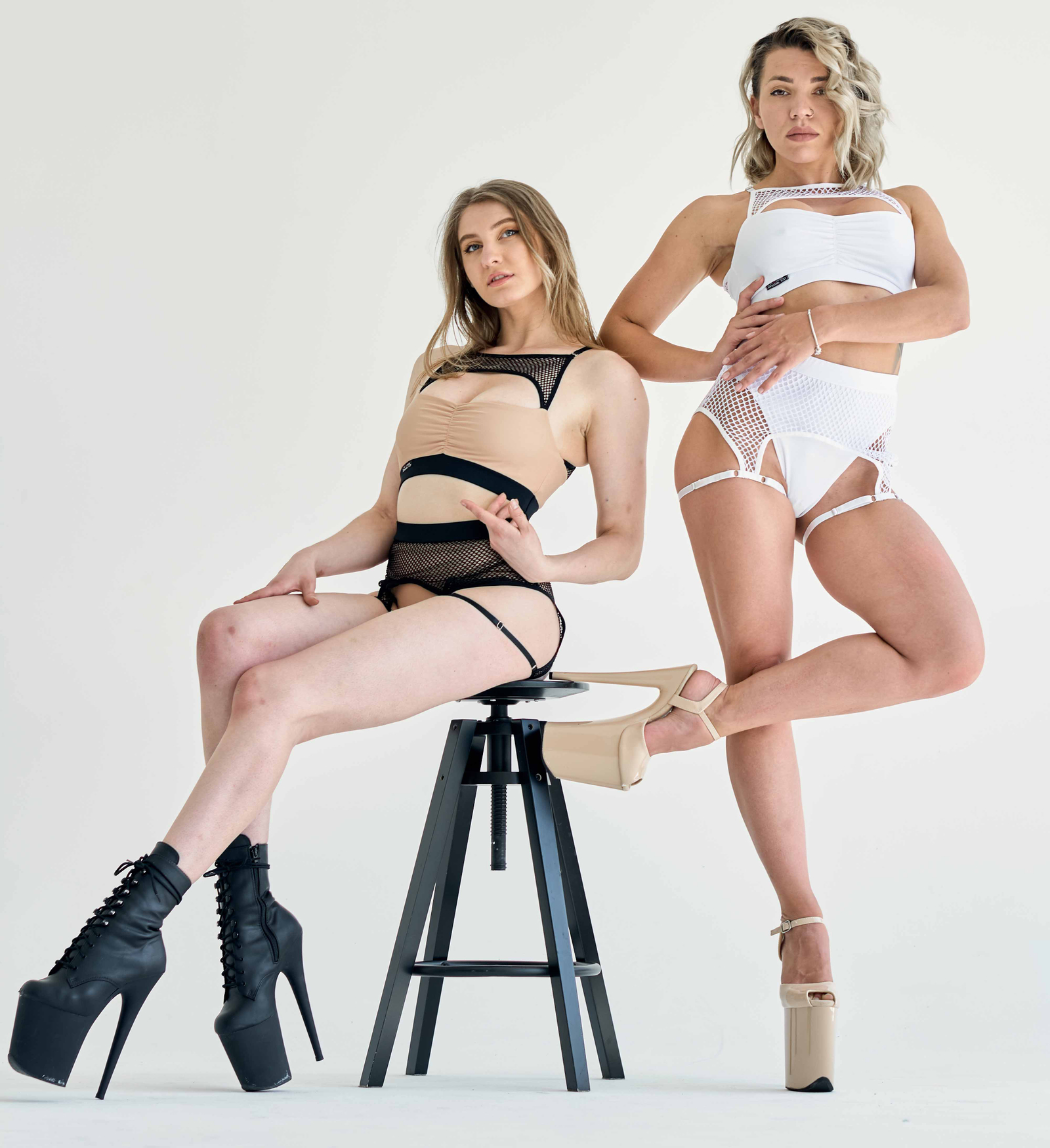
Some styles sit higher on the waist and create a more sculpted, supportive feel, helping you feel secure and confident during movement. Others are lower, more open, or cheeky, which allows more skin contact and makes it easier to grip the pole, especially as you start learning climbs and holds. You’ll also come across designs with garters or layered elements that move with your body and add a more expressive, dynamic look. For days when you want a bit more coverage, options like bikers, skorts, or fitted shorts give flexibility while still allowing freedom of movement during stretching, conditioning, or lighter training sessions.
If you prefer a ready-to-wear look, sets
https://dressinupartatelier.com/shop/sets/
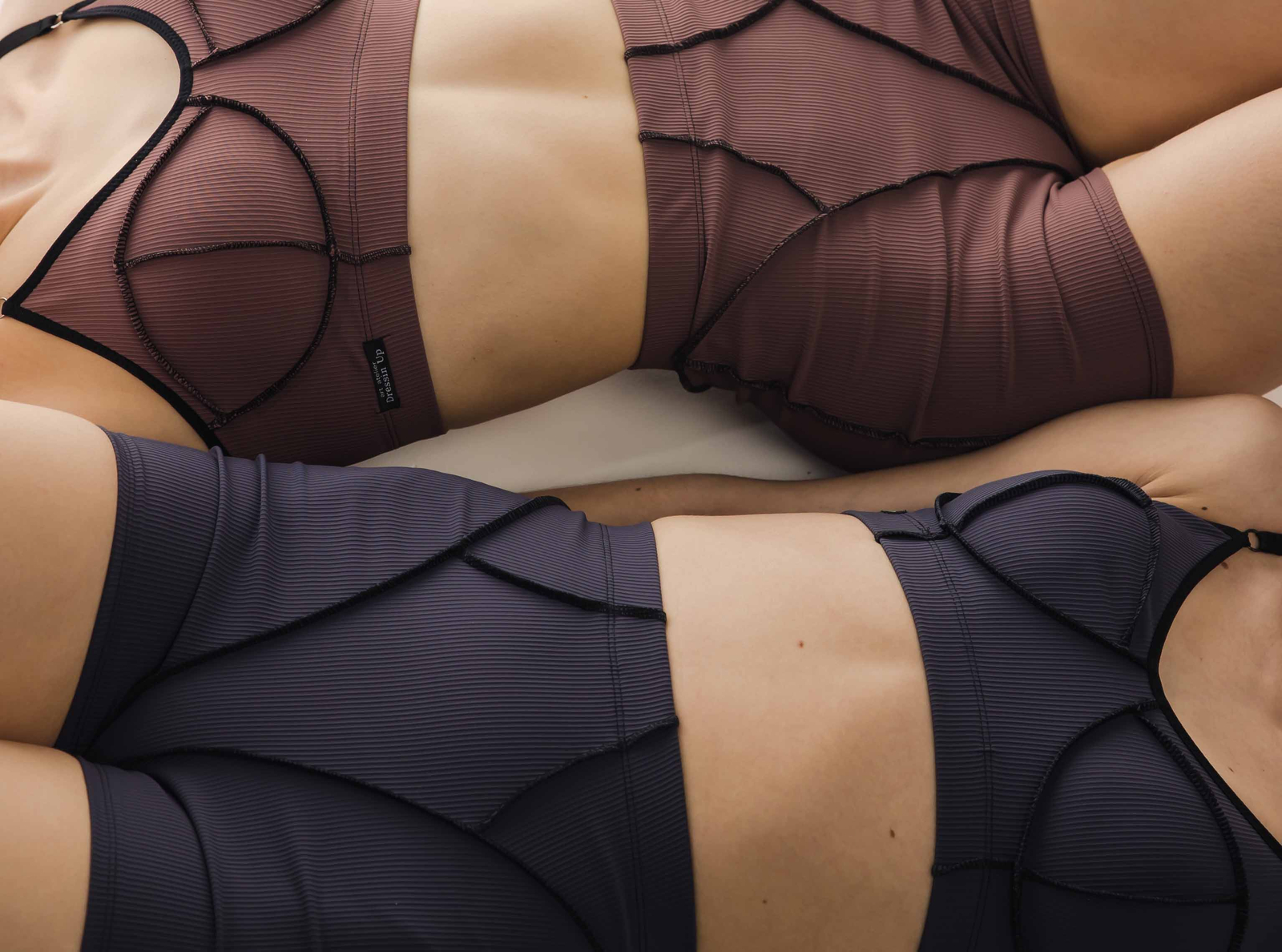
are one of the easiest ways to feel put together without overthinking your outfit. Everything is designed to work as a complete look, which makes getting ready simple and stress-free. Some sets feel minimal and clean, perfect for everyday training, while others include details like mesh panels, hardware, or layered straps that create more depth and make them suitable for performances, filming, or competitions. They’re also a great way to explore different styles without having to mix and match separate pieces.
For a more polished feel, bodysuits
https://dressinupartatelier.com/shop/bodysuits/
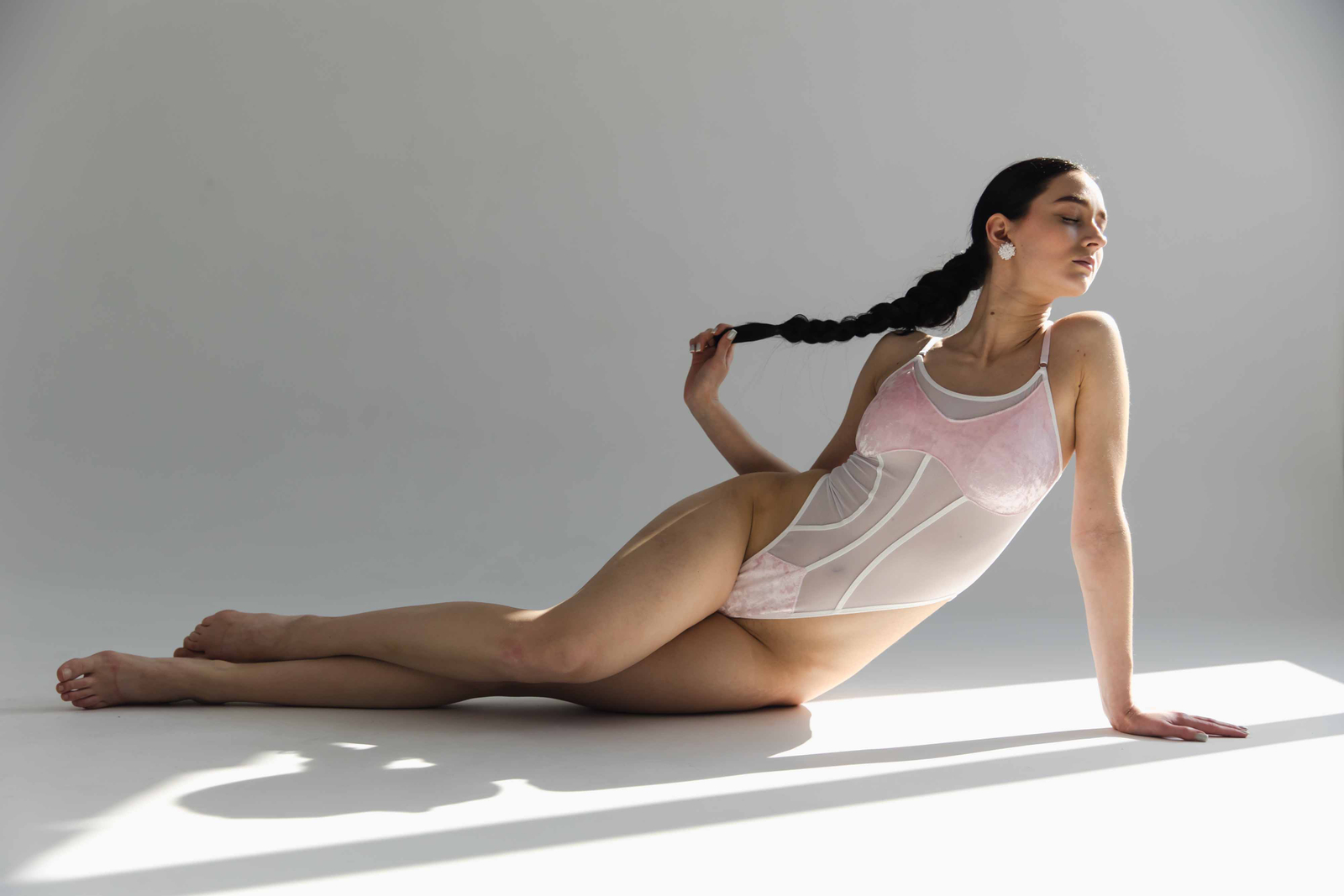
offer a complete and more refined look. They create smooth lines across the body and often feel more “finished” compared to separate pieces. Some designs stay simple and minimal, while others include cut-outs, sheer mesh, or more structured details that highlight the shape of the body. Bodysuits are often chosen when you want to feel a bit more styled — whether it’s for class, a photoshoot, or a stage performance where presentation matters just as much as movement.
More statement pieces like
https://dressinupartatelier.com/shop/jumpsuits-and-dresses/
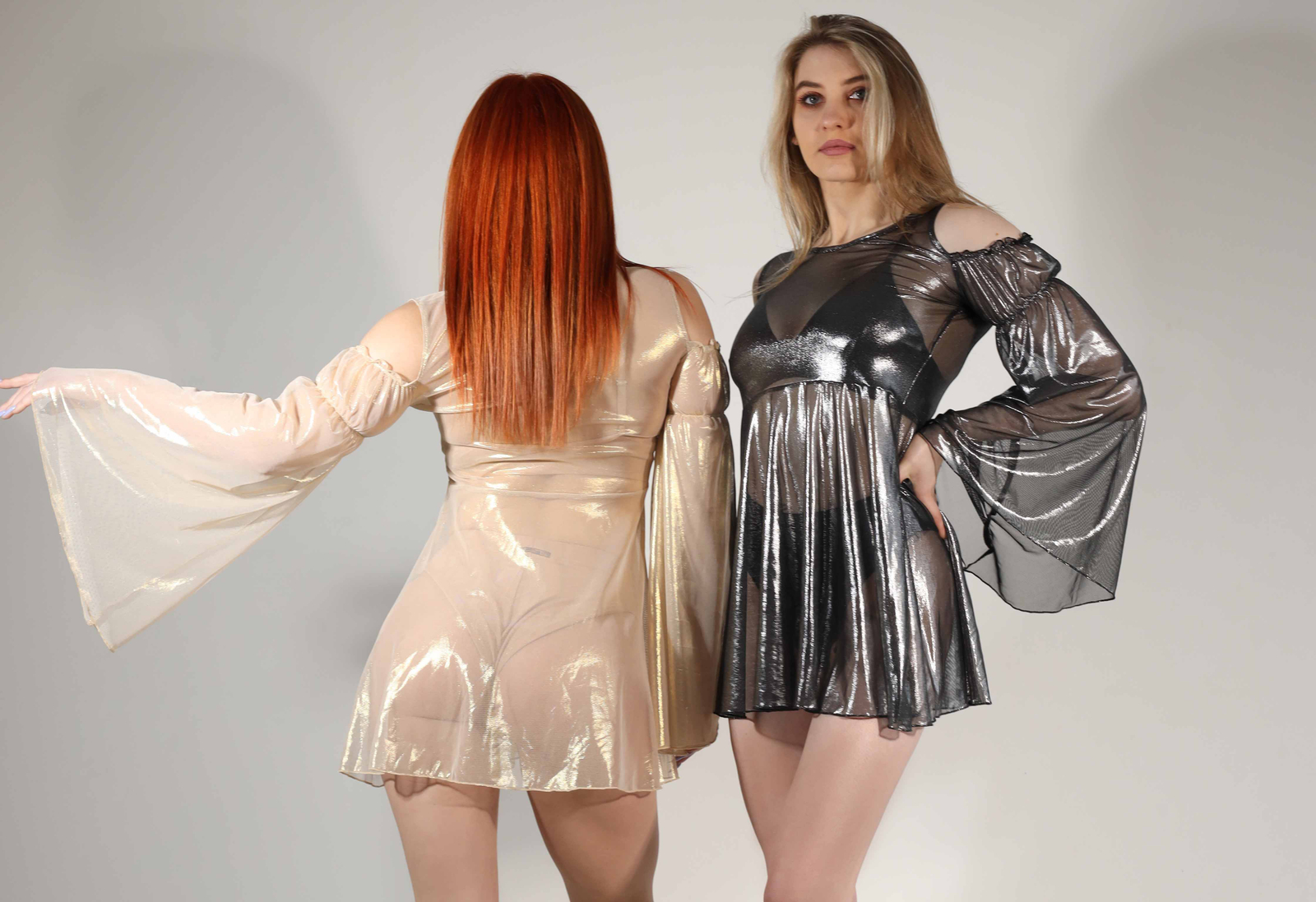
rompers, wide-leg jumpsuits, or dresses bring a completely different energy. These styles focus more on visual impact and how the outfit moves with you. Flowing fabrics, longer silhouettes, and layered designs can create beautiful motion during spins, floorwork, or transitions. They’re often chosen for performances, shows, or creative shoots where the outfit becomes part of the storytelling, not just something you wear.
Accessories
https://dressinupartatelier.com/shop/accessories/
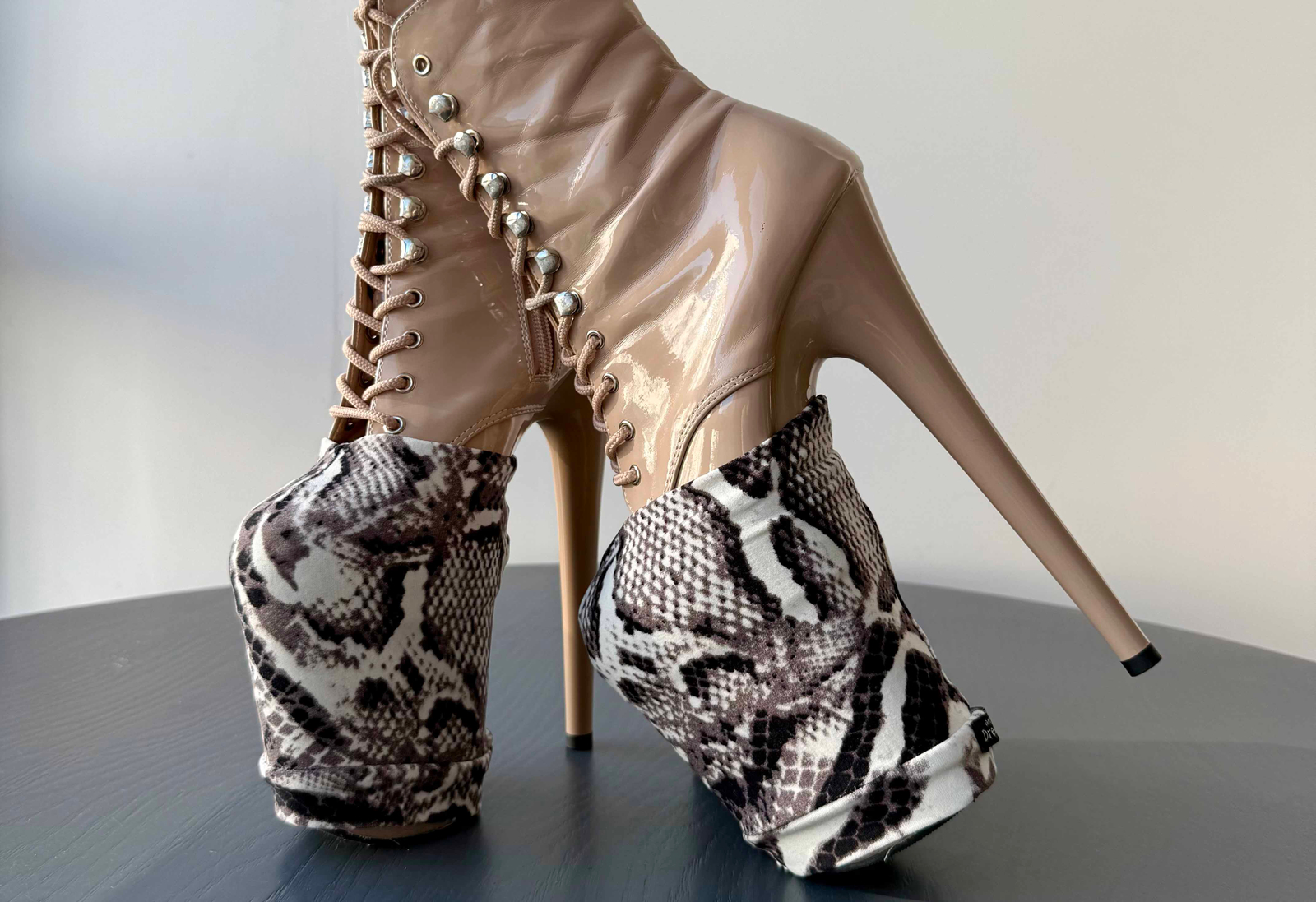
are what truly complete the look. Small details like garters, harness belts, chokers, or heel protectors can shift an outfit from simple to expressive. Some pieces add structure and highlight lines of the body, while others bring movement or a more dramatic edge. They’re especially popular in exotic style, stage looks, or competitions, where styling plays a big role in the overall impression.
This type of clothing is not limited to pole dance.
The same outfit can be used for heels dance, twerk, floorwork, or regular dance classes. Some styles also work for stretching, gymnastics, acrobatics, or circus training.
Because the fabrics are flexible and designed for movement, they adapt to many different activities.
Fabric makes a big difference.
Some pieces are matte and simple, while others are shiny and reflect light beautifully. You’ll also find velvet for a softer feel or mesh for breathability.
Some pieces are made for training, while others are designed to stand out on stage.
You don’t need the perfect outfit to start.
Simple and comfortable pieces are enough in the beginning. As you continue, you’ll discover what styles you like most.
Pole dance is not just about movement — it’s also about confidence and self-expression.